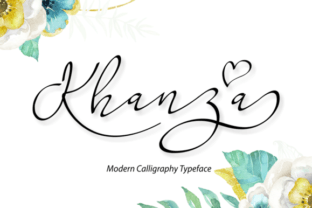
Khanza Font: Hand-Drawn Script for Makers
As a small business owner and creator, finding the perfect typeface often feels like searching for a needle in a haystack. We need fonts that do more than just look pretty on a screen; they must perform flawlessly when cut from vinyl, printed on textured cardstock, or embroidered onto fabric. This is where Khanza distinguishes itself as an essential tool in our design arsenal. As a hand-drawn script font, it carries an organic warmth that digital-only typefaces simply cannot replicate. For those of us running Etsy shops, designing wedding stationery, or creating physical products, Khanza offers the authentic charm of handwriting with the reliability required for commercial production.
The Organic Appeal of Hand-Drawn Typography
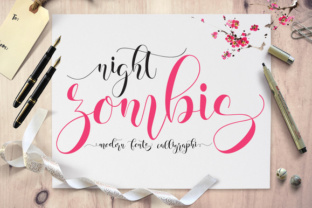
In a marketplace saturated with overly polished, uniform scripts, customers are increasingly drawn to designs that feel human and personal. Khanza captures this aesthetic perfectly. Its strokes mimic the natural flow of a marker or brush pen, featuring subtle variations in line weight and imperfect curves that signal authenticity. When you use this typeface on a product label or a greeting card, it immediately lowers the barrier between maker and buyer. It suggests that a real person crafted the item, which is exactly the emotional connection we strive to build in the handmade community.
This visual personality makes Khanza particularly effective for brands focusing on artisanal goods, boutique services, or personalized gifts. Unlike rigid display fonts, this handwritten style adapts beautifully to different contexts. It feels equally at home on a rustic wooden sign as it does on a modern minimalist planner cover. The key lies in its balance; it is expressive enough to be decorative but structured enough to maintain legibility across various applications.
Practical Applications for Physical Products
For crafters using cutting machines like Cricut or Silhouette, readability and cuttability are paramount. A font might look stunning in a mockup, but if the lines are too thin or the connections too fragile, it will fail during production. Khanza has been designed with these practical constraints in mind. The letterforms possess enough substance to hold together when cut from adhesive vinyl or heat transfer material, making it a reliable choice for t-shirt designs, tote bags, and custom decals.
Beyond apparel, this script shines in paper crafting and packaging. Consider the following applications where Khanza elevates the perceived value of the product:
- Candle and Soap Labels: The organic flow complements natural ingredients and eco-friendly packaging, reinforcing the artisanal quality of the product.
- Wedding Stationery: Perfect for invitation headers, welcome signs, and place cards where elegance meets approachability without feeling stuffy.
- Product Packaging: Use it for "Thank You" stickers, tissue paper stamps, or hang tags to create a cohesive unboxing experience.
- Printable Wall Art: Short inspirational quotes or family names rendered in Khanza translate beautifully to digital downloads intended for home decor.
- Seasonal Merchandise: From holiday gift tags to summer market signage, the font’s versatility allows it to adapt to seasonal themes effortlessly.
Ensuring Readability Across Mediums
While we love the artistic flair of script fonts, functionality must always come first. When incorporating Khanza into your projects, scale and spacing require careful attention. Because it is a hand-drawn typeface, tight tracking can sometimes cause letters to collide visually, reducing clarity. For product labels and small stickers, give the characters room to breathe. Increasing the tracking slightly ensures that each letter remains distinct, which is crucial when the text size is reduced for jar lids or cosmetic containers.
For larger formats like posters or book covers, you can afford to be bolder. However, always test your design at actual size before committing to a full production run. What looks readable on a 27-inch monitor may become illegible when printed on a 4x6 inch card. If you are selling SVG files or templates to other creators, include usage notes suggesting optimal sizing ranges to help your customers achieve the best results with this font.
Strategic Font Pairing for Professional Design
Khanza is a star performer, but even the best script needs a supporting cast. To create professional-grade layouts, pair this expressive script with cleaner, more neutral typefaces. The contrast between the fluid energy of Khanza and the stability of a secondary font creates visual hierarchy and improves overall readability.
For a modern, clean aesthetic, pair Khanza with a geometric sans serif font. The simplicity of the sans serif grounds the whimsy of the script, making it ideal for tech-adjacent creative businesses or contemporary stationery. Alternatively, for a more traditional or literary feel, such as book covers or formal invitations, a classic serif font provides a sophisticated backdrop. Avoid pairing Khanza with other highly decorative or condensed display fonts, as this competes for attention and creates visual clutter. Let the script be the focal point for headings, names, and short phrases, while relegating body text and details to simpler partners.
Maximizing Versatility with Alternates and Ligatures
One of the significant advantages of using premium fonts like Khanza is the inclusion of OpenType features. Before finalizing any design, explore the glyph panel in your design software. Many hand-drawn scripts include alternate characters, swashes, and ligatures that allow you to customize the flow of specific word combinations. Using a stylistic alternate for a capital letter at the start of a name, or employing a connecting ligature for common letter pairs, can transform a standard layout into something that looks bespoke and intentionally designed.
These features are especially valuable for logo design and brand identity work. They allow you to tailor the typeface to fit specific spatial constraints or stylistic preferences without resorting to manual vector editing. Additionally, check for multilingual support if you serve international clients or create bilingual products. Ensuring your chosen typeface supports necessary accents and special characters maintains professionalism and inclusivity in your offerings.
Navigating Commercial Licensing for Sellers
As creators selling physical goods, digital downloads, or client services, understanding font licensing is non-negotiable. Khanza falls under specific licensing terms that dictate how it can be used commercially. Always verify whether your license covers the specific end-use you intend. Generally, licenses for handmade sellers permit the creation of physical products like shirts, mugs, and signs. However, selling editable templates, digital fonts, or standalone SVG files often requires a different or extended license tier.
Protecting your business means respecting intellectual property. Keep records of your font purchases and license agreements. If you plan to scale your shop, offer customizable Canva templates, or enter wholesale markets, review the license terms proactively. Investing in the correct commercial license not only keeps you compliant but also supports the type designers who create these vital assets. By treating typography as a legitimate business expense rather than an afterthought, you ensure the sustainability of both your shop and the broader creative ecosystem.